


Steps to Becoming a Certified Senior Caregiver
- Jul 6
- 4 min read
Taking care of seniors is a special calling. It requires patience, kindness, and a genuine desire to help others live comfortably and safely. If you feel drawn to this rewarding path, becoming a certified senior caregiver is a great way to turn your passion into a profession. Certification not only boosts your skills but also builds trust with families who need your support.
Let me walk you through the essential steps to become a certified senior caregiver. I’ll share practical tips and clear guidance to help you start this meaningful journey with confidence.
What Does It Mean to Be a Certified Senior Caregiver?
Being a certified senior caregiver means you have completed specific training and met state or national standards to provide quality care. Certification shows that you understand the needs of seniors and can assist them safely with daily activities.
Certified caregivers often help with:
Personal hygiene and grooming
Medication reminders
Meal preparation and feeding
Light housekeeping
Companionship and emotional support
Mobility assistance
Certification programs cover these skills and more. They also teach you how to handle emergencies and communicate effectively with seniors and their families.
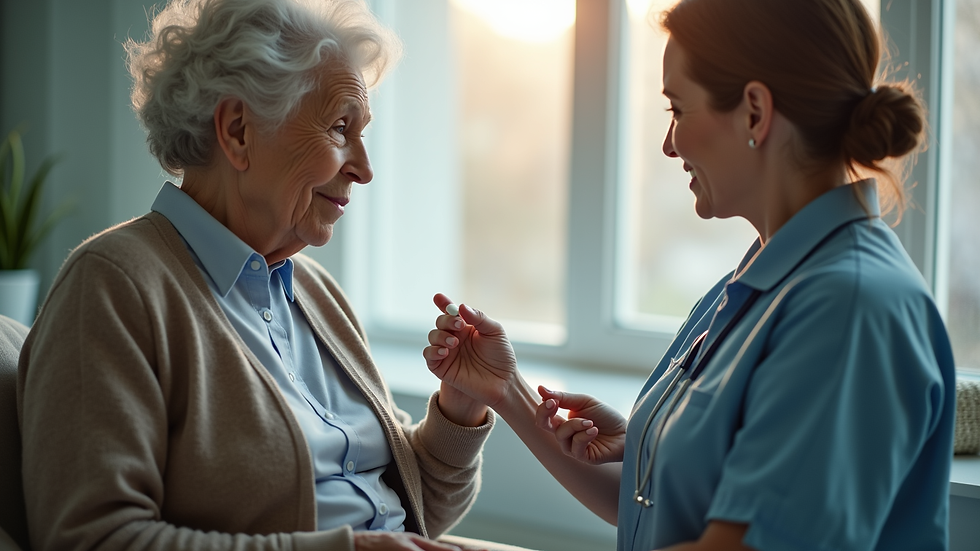
Certification gives you credibility. Families feel more comfortable knowing you have the right training. It also opens doors to better job opportunities and sometimes higher pay.
How to Become a Certified Senior Caregiver: The Key Steps
If you want to become a senior caregiver, here’s a simple roadmap to guide you:
1. Understand the Requirements in Your Area
Caregiver certification rules vary by state. Some states require formal training and certification, while others have voluntary programs. Start by checking your state’s health department or aging services website to learn what’s needed.
2. Choose a Training Program
Look for a reputable training program that offers certification. Many community colleges, vocational schools, and online platforms provide courses tailored for senior caregiving. The training usually covers:
Basic caregiving skills
Safety and emergency procedures
Communication and interpersonal skills
Understanding common health conditions in seniors
Training length can range from a few weeks to a few months, depending on the program.
3. Complete the Training and Pass the Exam
Once you enroll, attend all classes and complete any required practical hours. Most programs end with a written or practical exam to test your knowledge and skills. Passing this exam earns you your certification.
4. Get Background Checks and Health Screenings
Because you’ll be working closely with vulnerable adults, most employers and states require background checks and health screenings. This step ensures safety for both you and the seniors you care for.
5. Apply for Jobs or Start Your Own Caregiving Service
With certification in hand, you can apply for caregiving jobs at home care agencies, senior centers, or hospitals. Some caregivers choose to work independently, offering personalized care services.
6. Keep Your Certification Current
Many certifications require renewal every few years. This usually involves continuing education to stay updated on best practices and new caregiving techniques.

How much does Pennsylvania pay family caregivers?
If you are caring for a family member in Pennsylvania, you might wonder about compensation. Pennsylvania offers programs that provide financial support to family caregivers who assist seniors at home. The amount paid varies based on the level of care needed and the program you qualify for.
For example, the Pennsylvania Department of Aging runs the Caregiver Support Program, which can offer stipends to eligible family caregivers. These payments help cover the time and effort you dedicate to your loved one’s care.
Keep in mind:
Payment rates depend on the care recipient’s needs assessment.
You may need to complete training or certification to qualify.
Programs often require regular reporting and monitoring.
If you live in Pennsylvania and want to explore this option, contact your local Area Agency on Aging for detailed information.
Tips for Success as a Certified Senior Caregiver
Becoming certified is just the beginning. To truly excel, keep these tips in mind:
Be patient and empathetic. Seniors may have physical or cognitive challenges. Your kindness makes a big difference.
Communicate clearly. Listen carefully and speak in simple, respectful language.
Stay organized. Keep track of medications, appointments, and care plans.
Practice self-care. Caregiving can be demanding. Take breaks and seek support when needed.
Keep learning. Attend workshops or online courses to improve your skills.
By following these tips, you’ll build strong relationships with seniors and their families. Your work will bring comfort and peace of mind to everyone involved.
Why Certification Matters for Families and Caregivers
Families want to know their loved ones are in safe hands. Certification reassures them that you have the knowledge and skills to provide quality care. It also protects you by setting clear standards and guidelines.
For caregivers, certification:
Enhances your confidence and professionalism
Opens doors to more job opportunities
May lead to better pay and benefits
Provides a sense of accomplishment
If you want to become a senior caregiver, certification is a smart step. It shows you are serious about your role and ready to make a positive impact.
Taking the First Step Today
Starting your journey as a certified senior caregiver is easier than you might think. Begin by researching local training programs and certification requirements. Reach out to agencies or schools that offer courses and ask questions.
Remember, caregiving is more than a job - it’s a chance to touch lives and bring comfort to those who need it most. With the right training and heart, you can make a real difference.
If you’re ready to take that first step, explore your options and start your training. Your future as a trusted, certified senior caregiver awaits.
Helping seniors stay safe and independent at home is a gift. Certification is your key to providing that care with confidence and skill. Embrace this path and watch how your kindness changes lives every day.


Comments